When the summer sun beckons and your backyard oasis invites relaxation, safety should be at the forefront of your mind. An essential element in any pool area is proper fencing, which not only protects children and pets but also enhances the overall aesthetic of your space. In Queensland, pool fencing isn't just a recommendation - it's a legal requirement. But that doesn't mean you have to sacrifice style for safety.
This comprehensive guide to pool fencing dives deep into the crucial aspects of safety, style, and selecting the perfect barrier for your pool. Whether you're a new pool owner in Brisbane North or upgrading an older setup, this article will equip you with the knowledge to create a safe and beautiful pool environment.
Why Pool Fencing Is Essential for Safety
Pool fencing plays a critical role in preventing accidents and ensuring peace of mind. In Queensland, regulations are in place to reduce the risk of drowning, particularly for children under five. A compliant fence acts as a physical barrier, restricting unsupervised access and helping you meet your legal obligations as a pool owner.
But beyond safety, fencing defines your pool area, adds privacy, and enhances property value. It's a smart investment that protects lives and improves lifestyle.
Popular Pool Fencing Materials
Choosing the right material depends on your budget, design preferences, and maintenance expectations. Common options include:
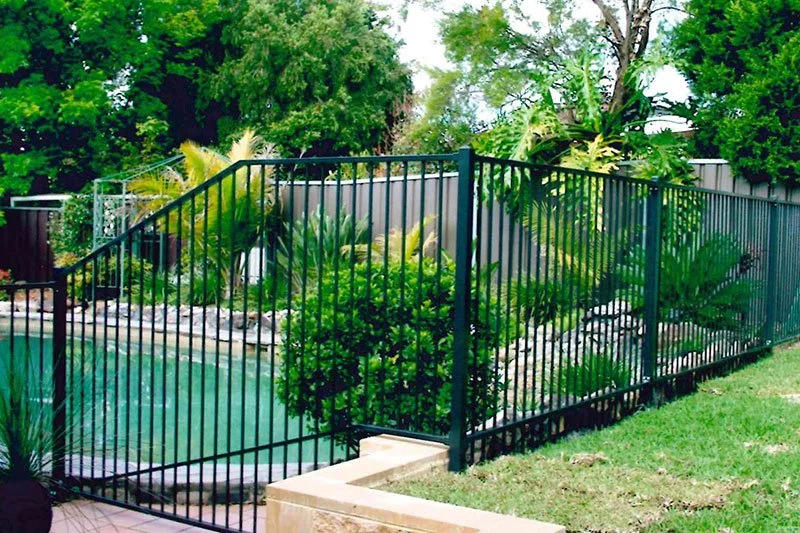
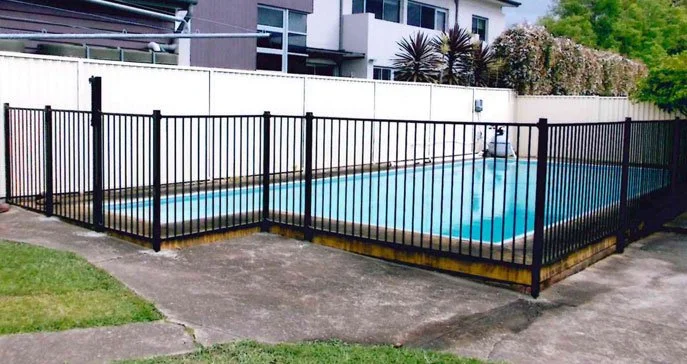
Aluminium Fencing - Lightweight, rust-resistant, and available in powder-coated finishes. This is the material we supply for pool areas, and it is the most practical choice for coastal suburbs like Redcliffe and Scarborough where salt air punishes lesser finishes.
Glass Fencing - Frameless or semi-frameless panels offer unobstructed views and a sleek, modern look. It is a popular choice, though it carries a much higher price and needs frequent cleaning to stay looking its best. Accolade Fencing does not stock glass pool fencing, but we are happy to point you toward the right type of supplier if that is the look you are after.
Steel Fencing - Strong and secure, though less common directly around pools due to corrosion concerns in constantly wet, chlorinated environments. Better suited to the boundary fence beyond the pool barrier.
Composite or Timber-Look Panels - Used decoratively, but not typically suitable for compliant pool barriers.
For most Brisbane North pool owners, powder-coated aluminium hits the balance that matters: it meets the standard, it survives the climate, and it does not date.
Pool Fencing Compliance in Queensland
Pool fencing in Queensland must comply with the Queensland Development Code MP 3.4 and Australian Standard AS1926.1. Key requirements include:
Minimum fence height of 1200mm
No climbable objects within 900mm of the fence
Self-closing, self-latching gates
Gaps between vertical bars no wider than 100mm
While formal planning approval is not always required, it's important to ensure your fencing meets all local safety and building standards. If your project involves boundary changes, retaining walls, or unique site conditions, additional approvals may apply. It's best to consult your local council if you're unsure.
Designing for Style and Function
Pool fencing doesn't have to be purely functional - it can be a design feature. Powder-coated aluminium slats can be colour-matched to your home's exterior, and flat-top or loop-top panel styles change the character of the space considerably. Decorative gates, integrated lighting, and custom panel layouts allow you to personalise your pool area while maintaining compliance.
Height and Layout Considerations
While 1200mm is the legal minimum, some homeowners opt for taller fences for added privacy or wind protection. Layout should also consider visibility, since you need a clear line of sight to the water from the house. Vertical baluster panels give you that supervision sightline while still providing airflow and shade. Choose a configuration that suits your lifestyle and site conditions.
Supply and Installation
Accolade Fencing is a supplier, not an installer. We provide pool fencing panels, gates and compliant hardware in kit form, and plenty of our customers install them themselves.
If you would rather not, a licensed installer is worth the money on a pool barrier specifically. Compliance is measured in millimetres, and a gate that does not self-latch every single time is the difference between a pass and a fail at inspection. We can talk you through what your project needs either way.
Maintaining Your Pool Fence
Regular maintenance keeps your fence safe and looking great. Wash down aluminium panels and posts with mild detergent, lubricate hinges and latches, and inspect for wear or corrosion. In coastal suburbs, rinsing salt residue off two or three times a year makes a real difference to the finish. Annual checks help ensure ongoing compliance and extend the life of your fence.
Enhancing Security with Accessories
Add extra protection and convenience with accessories like:
Lockable gate latches
Keypad or remote entry systems
Pool alarms
Motion-sensor lighting
These upgrades are especially useful for families, rental properties, and homes with frequent visitors.
Budgeting for Pool Fencing
Pool fencing costs vary based on material, size, and complexity. Here's a general guide:
Aluminium pool fencing: $90-$150 per metre
Self-closing, self-latching gate and hardware: $250-$600 per gate
Installation, if you engage a contractor: $1,000-$3,000 depending on scope
Buying the materials directly and arranging your own installation is usually the cheaper path, which is exactly why a lot of our customers do it. Always request a detailed quote and confirm what's included.
Final Thoughts: Secure Your Oasis with Confidence
Pool fencing is more than a legal requirement - it's a vital safety feature and a design opportunity. By choosing the right materials, understanding local regulations, and getting the compliance details right, you can create a pool area that's secure, stylish, and perfectly suited to your Brisbane North lifestyle.